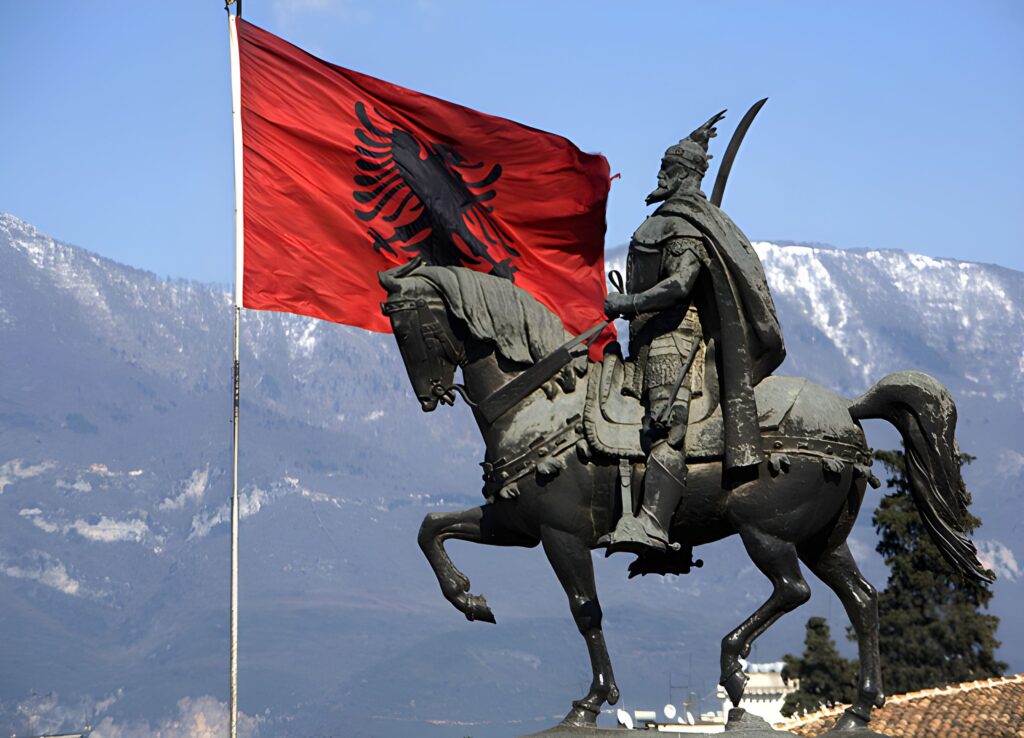
I grew up with a name, a language and stories that crossed borders. The older I get, the more I ask what I am doing with that inheritance. Pride alone is easy. Passing something worthwhile to the next generation takes work.
When I say Be the One, I do not mean becoming better than anyone else. I mean becoming someone whose word can be trusted, who loves without controlling, and who acts when a value is tested. Besa should be visible in what I do, not just in what I say about being Albanian.
For me, protecting Albanian identity begins at home. Speak the language with your children if you can. Ask your parents and grandparents what they remember, including the parts that are difficult to hear. Teach a child where their family came from without deciding for them what they must become. Culture survives when people practise it freely, not when they turn it into a loyalty test.
It also means defending rights in public. Kosovo's recent history is not an abstract story of rivals. The International Criminal Tribunal for the former Yugoslavia investigated crimes against Kosovo Albanians in 1999 and the people responsible. Those acts and any present-day denial of them deserve clear opposition. So do threats to Kosovo's self-determination, attacks on Albanian language and culture, and political claims that erase the people who live there. Responsibility belongs to people and institutions for what they do. I refuse to turn every Serb, every believer or every neighbour into an enemy.
The obstacles within our own communities matter too: corruption, contempt for women, family honour used to control a partner, and pride that asks for sacrifice but gives no care in return. Defending a culture cannot mean excusing harm done in its name. Respect and freedom have to work inside our families as well as outside them.
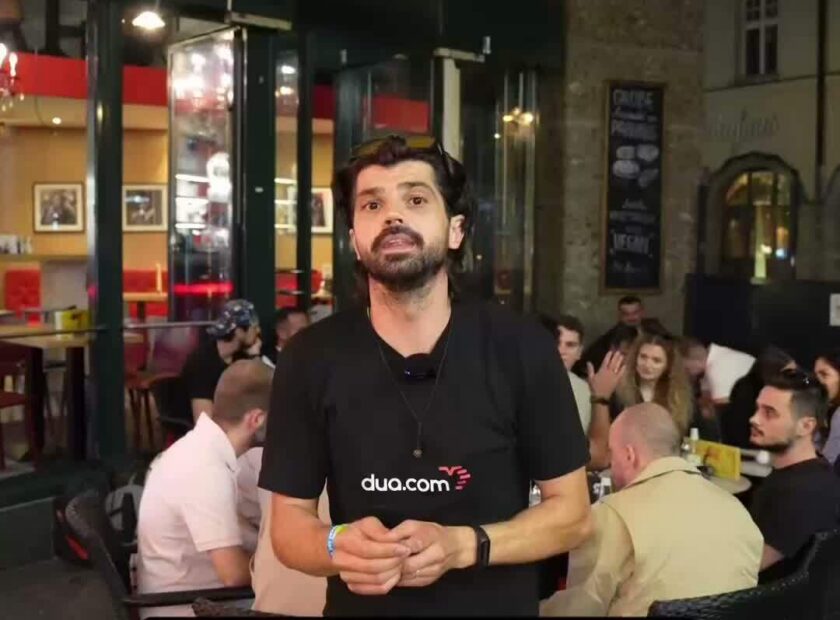
This is one reason I built dua.com. I wanted Albanians separated by borders to have a way to meet. A meaningful relationship may grow into a lasting partnership and, if two people choose it, a family. No one owes another person a marriage or a child. The mission is to make connection possible, so that language, stories and affection can travel into the future by choice.
There are many ways to carry our roots forward: build a useful company, teach, create art, hold public institutions accountable, support a family member, or simply keep a promise. I would rather see one of those actions than a thousand declarations that we are born exceptional.
That is the challenge I am giving myself. Where am I living the values I praise? Where am I using identity as a slogan instead of a responsibility? If you share these roots, I would like to know your answer too.