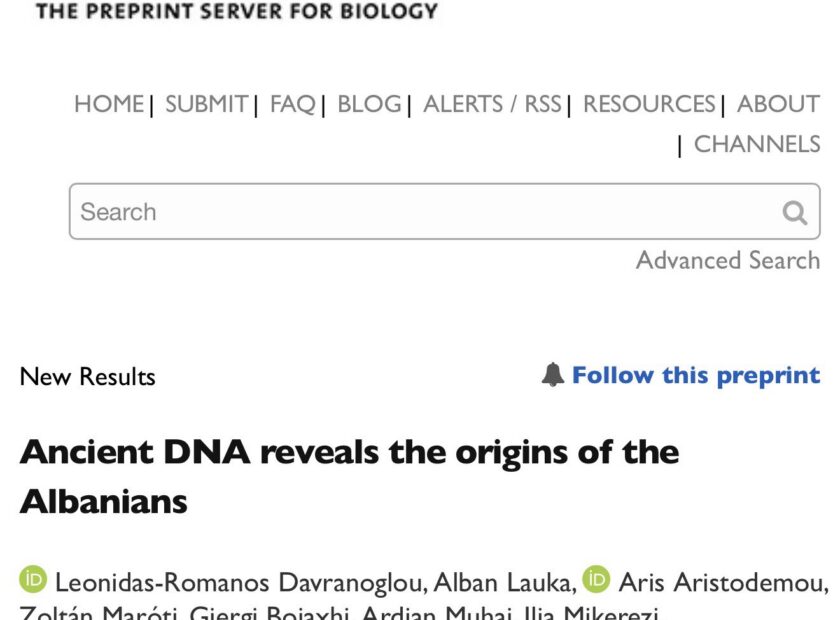
Questions about our roots deserve curiosity and careful reading. An ancient name can be fascinating without giving us a complete family tree of the people living today.
What Herodotus actually says
In Histories 1.57, Herodotus begins by saying he cannot state definitively what language the Pelasgians spoke. He then reasons from communities he identifies as Pelasgian, including Creston and Placia, and infers a language different from Greek. His conclusion is conditional: it depends on whether those communities are representative. Ohio State University’s Herodotos Project reproduces the passage in Greek and English.
That distinction matters. A writer’s inference about language is not the same thing as a demonstrated genealogy connecting ancient populations to a modern nation.
A name used in different settings
The Oxford Classical Dictionary describes “Pelasgians” as a term used in ancient traditions for early populations of the Aegean. Its examples span Homeric poetry and Herodotus. That range calls for reading each use in its own context.
These sources do not establish the proposed chain from Pelasgians through Macedonians and Illyrians to present-day Albanians. I am therefore leaving that chain out of the historical conclusions here.
For me, learning about our roots means asking better questions: Who used a name? When? About which people? And what kind of evidence would be needed to connect that statement to something else? Respect for our history includes respect for the limits of the evidence.
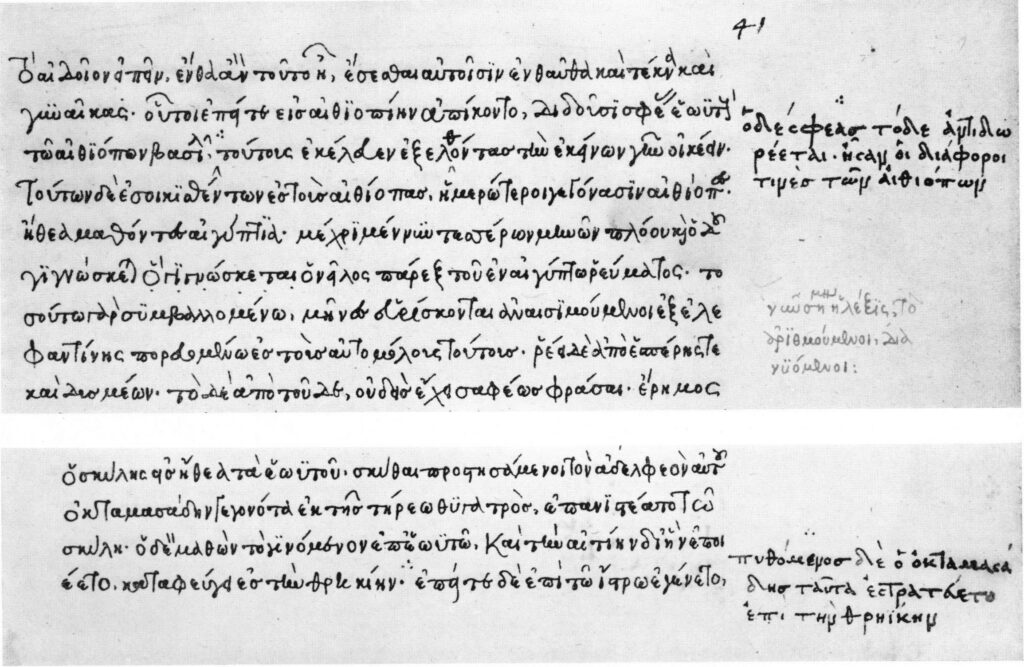
Sources checked on 15 October 2026: Herodotus, Histories 1.57; Oxford Classical Dictionary, “Pelasgians.” Image: a manuscript of Herodotus with Lorenzo Valla’s marginal notes, public domain. It illustrates the textual tradition, not the specific passage quoted above.
Original social post · 2026-10-14
A further clip on 15 October repeated the link between Albanian identity, the Pelasgians and the Illyrians. The same distinction applies: pride in our roots does not establish a documented chain of descent. The sources discussed above, and their limits, remain the basis for this article. The October 15 clip.